Top 10 Indian Cities Where Most Nepali Residents Work
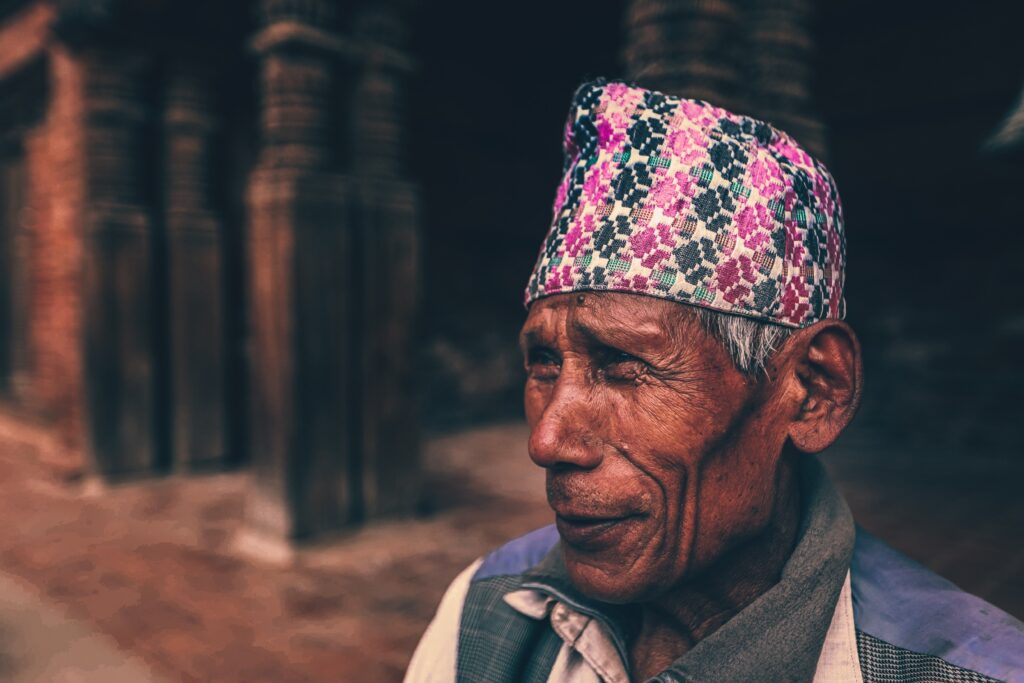
Introduction: The Border That Nobody Guards, The Workers Nobody Counts Every day, in the pale light before dawn, hundreds of young Nepali men and women step across an invisible border between Nepal and India. They carry worn backpacks, phone numbers of distant relatives scribbled on scraps of paper, and desperate hopes of feeding families back home in villages where there is no work. What makes their journey unique is not just that they leave everything behind—it’s that nobody officially counts them as they arrive.
Due to the 1950 India-Nepal Treaty of Peace and Friendship, citizens of both nations can cross the land border freely, without visas, passports, or any documentation. This “open border” policy was designed to foster friendship, but it has inadvertently created one of Asia’s most invisible migration crises: an estimated 1 to 1.5 million Nepali citizens currently live and work across India at any given moment, yet they are almost entirely absent from official records.
This comprehensive guide identifies and profiles the Top 10 Indian Cities with the Highest Nepali Resident Populations, ranked from tenth to first place. But more importantly, it tells the human story behind the statistics—the aspirations, struggles, and systemic vulnerabilities that define the Nepali diaspora experience in India.
10 – BENGALURU: THE TECH CITY’S INVISIBLE SERVICE WORKERS
Estimated Nepali Population: 30,000–50,000 | Sectors: IT, Hospitality, Domestic Work, Construction

Bengaluru’s gleaming glass towers and ambitious “Silicon Valley of India” branding mask a reality that few tech professionals stop to consider: behind every bustling office building, restaurant, and apartment complex stands a quiet Nepali workforce. While the city has become synonymous with India’s IT revolution, Bengaluru’s Nepali residents remain largely relegated to the service economy—working as house cleaners, cooks, security guards, delivery workers, and construction laborers.
The estimated 30,000 to 50,000 Nepali residents in Bengaluru represent a relatively small percentage of the city’s 8+ million population, yet their daily labor is essential to the functioning of urban life. Unlike older migration hubs such as Darjeeling or Siliguri, where Nepali culture has become institutionalized in the urban fabric, Bengaluru’s Nepali community remains diffuse, largely unorganized, and vulnerable to labor exploitation.
The Pull Factor: Economic Growth and Informality
Bengaluru attracts Nepali migrants for a straightforward reason: money flows here. The city’s explosive growth has created an enormous demand for affordable service labor. The Indian middle class in Bengaluru—numbering in the millions—requires domestic workers to handle household chores: cooking, cleaning, childcare, elder care. Construction companies building new infrastructure need cheap labor. Hotels and restaurants need kitchen staff and dishwashers. E-commerce and logistics companies filling India’s digital economy need delivery workers and warehouse staff.
What these employers find in Nepali migrants is a workforce willing to work longer hours for lower wages than Indian competitors, partly because the open border and lack of legal documentation make Nepali workers desperate to maintain employment at any cost.
A Day in the Life
Consider the story of Raj (name changed for privacy), a 24-year-old Nepali migrant who arrived in Bengaluru six years ago at age 18. He came from a farming family in eastern Nepal that could no longer sustain itself on agricultural income. Today, he works as a “helping hand” for a family in a Bengaluru apartment, earning approximately ₹10,000-12,000 per month (about $120-145 USD)—half of what an equivalent Indian worker might demand. He wakes at 5 AM, cleans the apartment, prepares breakfast for the family and their children, washes clothes, and goes to bed around 9 PM. He lives in a 10×10 foot room in a slum, shares a toilet with eight other families, and sends ₹5,000 monthly back to his mother in Nepal.
Raj’s situation is not exceptional; it is the norm. Most Nepali migrants in Bengaluru lack employment contracts, operate entirely in the informal sector, have no access to worker benefits or social security, and exist in a state of permanent precariousness.
The Data Gap
Exact numbers of Nepali residents in Bengaluru are impossible to obtain. The city’s census data counts population and religion, not nationality. The Bengaluru police do not maintain separate statistics on foreign nationals. NGOs working with migrant communities estimate the figure based on school enrollments of Nepali children and informal surveys—which is why the 30,000–50,000 range remains broad.
Why Bengaluru Matters for Your Coverage
This city represents the future of Nepali migration to India. As Gujarat and Mumbai saturate, and as construction slows in traditional hubs, cities like Bengaluru are becoming magnets for Nepali young people seeking entry-level opportunities. The ethical story here—about cheap labor subsidizing India’s middle-class lifestyle—is largely untold by mainstream media.
9 – PUNE: THE STUDENT AND SERVICE WORKER HUB
Estimated Nepali Population: 25,000–40,000 | Sectors: IT, Hospitality, Education, Domestic Work
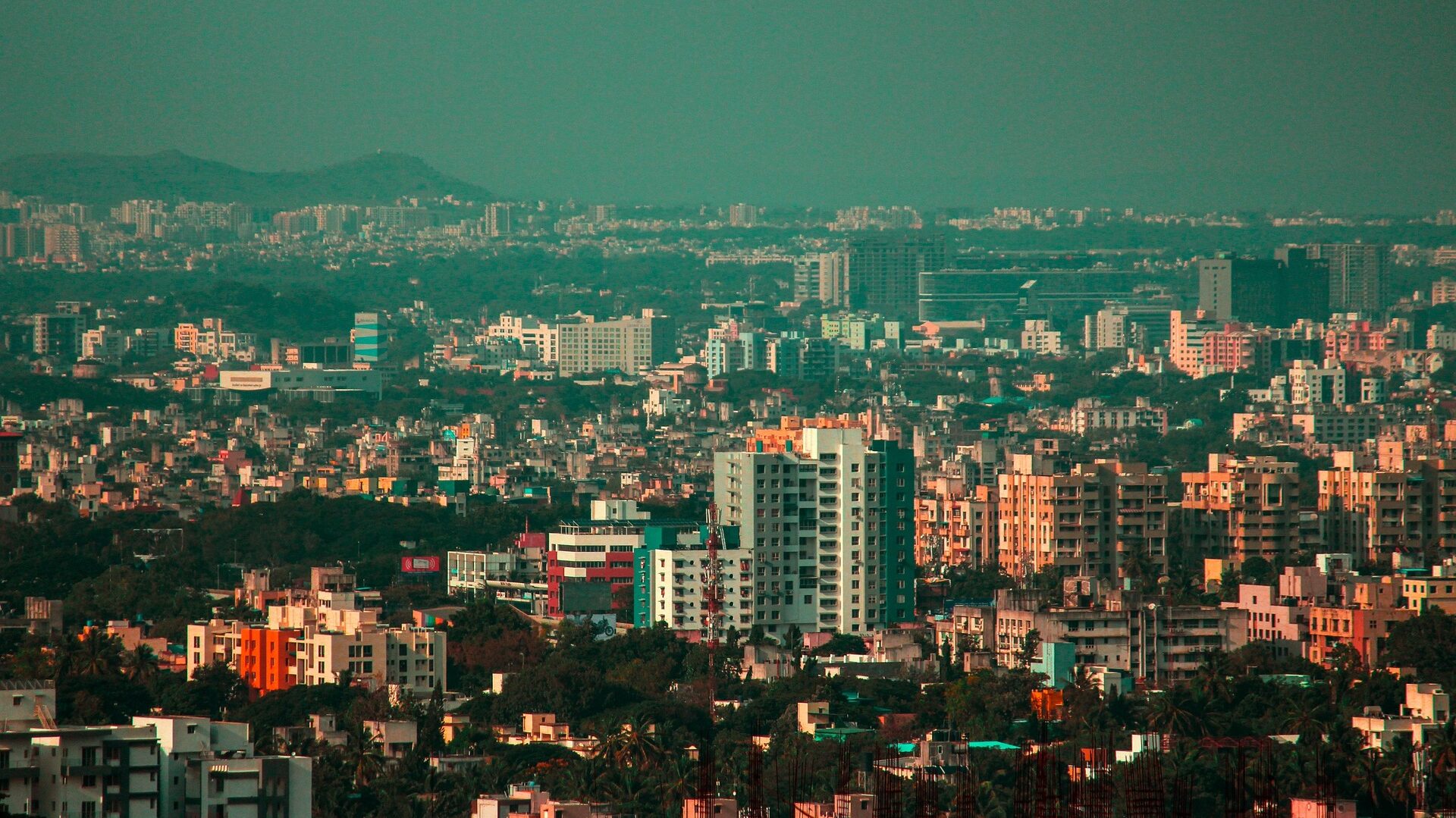
If Bengaluru is about extraction of labor, Pune is a city of mixed narratives. As Maharashtra’s educational hub and a rapidly growing IT center, Pune attracts two distinct populations of Nepali residents: educated students seeking better opportunities, and service workers supporting the middle-class professionals.
The estimated 25,000 to 40,000 Nepali residents in Pune represents the smallest concentration among major metros, yet the city’s significance lies in its role as a gateway for Nepali students entering Indian higher education. Pune hosts numerous engineering colleges, management institutes, and IT training centers—institutions where Nepali youth increasingly enroll, either through scholarships or family resources.
The Student Angle
Across India, Nepal ranks first among all foreign student populations, with approximately 13,000 Nepali students enrolled in Indian universities at any given time. Unlike migrant laborers, these students are relatively educated, often come from middle-class or wealthy families, and pursue degrees in engineering, business, medicine, or information technology.
Pune’s universities—including Symbiosis International University, Vishwakarma Institute of Technology, and others—actively recruit Nepali students. The advantages are clear: proximity to Nepal (shorter travel distance than other metros), reasonable tuition fees, similar cultural and linguistic contexts, and strong placement opportunities upon graduation.
However, the student influx also reveals deeper structural issues. While many Nepali students succeed in Pune, others struggle with language barriers, expensive housing, and the economic pressure to find part-time work. A student working as a hotel waiter or call center agent to finance their studies is a common sight in Pune’s nightlife districts.
The Service Sector Reality
Alongside the students, Pune hosts tens of thousands of Nepali service workers—domestic helpers, security guards, kitchen staff, and construction workers—who sustain the city’s rapid expansion. The IT boom has created an enormous middle class that, paradoxically, outsources all domestic work to cheaper labor. Nepali women, in particular, find Pune a relatively more accessible destination than metros like Mumbai or Delhi, with slightly lower costs of living and somewhat better working conditions in some pockets.
Structural Challenges
Pune presents a interesting contrast: a city that educates some Nepalis to professional status while exploiting others in service roles. This duality makes Pune a rich subject for investigative journalism—exploring questions about education access, social mobility, and how class dynamics within the Nepali diaspora mirror broader Indian social structures.
8 – GUWAHATI: THE NORTHEAST GATEWAY
Estimated Nepali Population: 35,000–50,000 | Sectors: Commerce, Tea Trade, Transportation, Services
Guwahati, the largest city in northeast India and capital of Assam, occupies a unique position in the Nepali migration geography. Unlike southern metros focused on IT and tech, Guwahati functions as a commercial and logistical hub for the entire northeast region. For Nepali migrants, the city represents a transitional space—a place where some workers begin their journey into India’s informal economy, while others use it as a base to access employment in Assam’s vast tea estates.
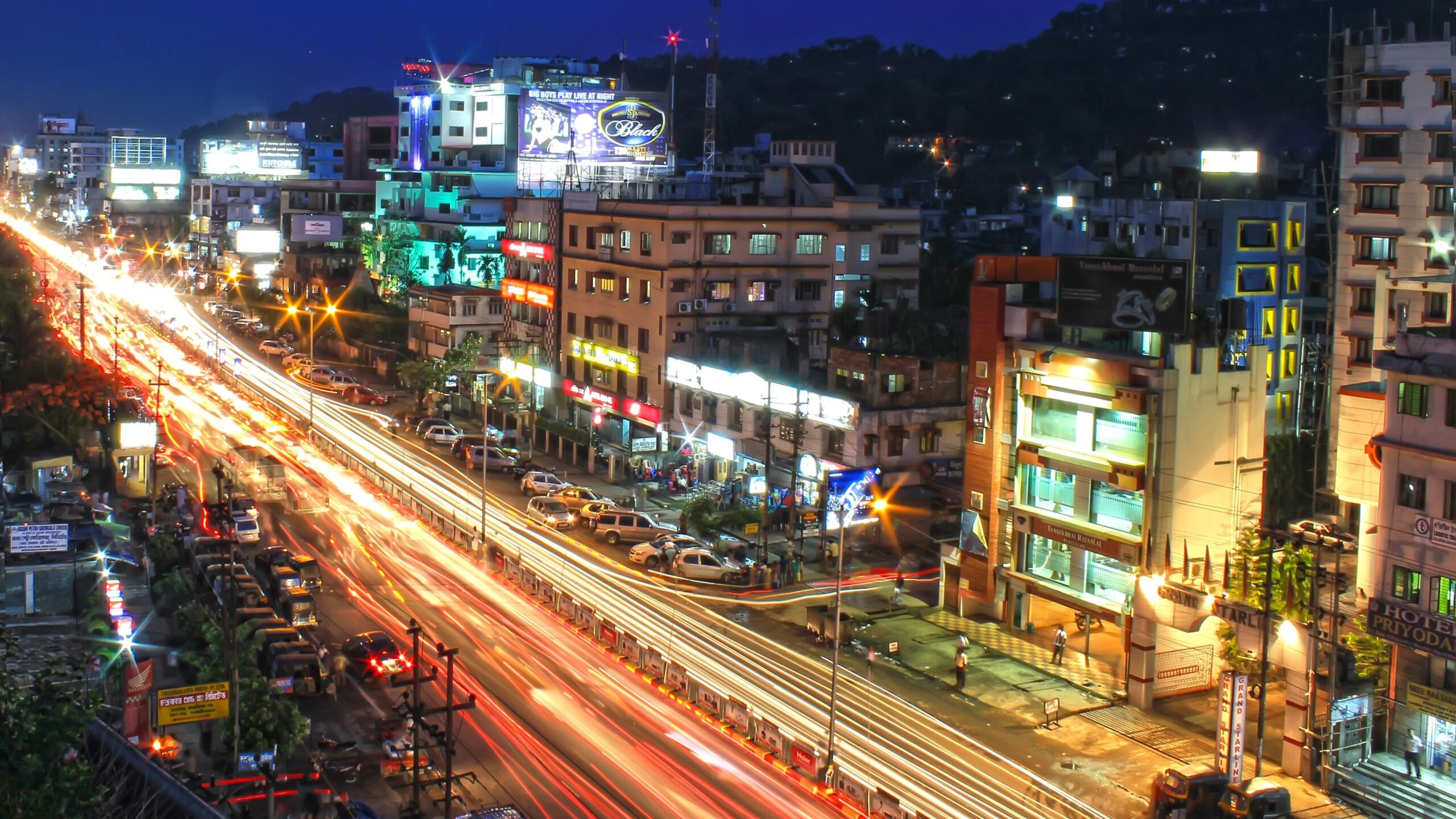
The estimated 35,000 to 50,000 Nepali residents in Guwahati reflects the city’s role as a distribution center for goods flowing to and from Nepal, Bhutan, and the broader northeast. The city’s strategic location, adjacent to Nepal’s eastern border, makes it a natural gathering point for newly arrived migrants navigating the Indian labor market for the first time.
Why Guwahati Attracts Nepali Migrants
Guwahati’s economy rests on three pillars: commerce, logistics, and tea trade. Nepali workers find employment in all three sectors. Many work as porters, day laborers, and delivery workers in the city’s bustling commercial markets. Others find work in small tea trading firms—buying, processing, and selling tea leaf from Assam’s gardens. Still others work in transportation—driving trucks, working at warehouses, or handling cargo.
The cost of living in Guwahati is significantly lower than in metros like Delhi or Mumbai, making it attractive to recent migrants seeking to stretch limited wages. Rents are cheaper, food is affordable, and the city has a more relaxed pace of life compared to the high-stress metros.
A Transitory Hub
What distinguishes Guwahati from the ranking’s higher-placed cities is its character as a transitory hub. Many Nepali workers pass through Guwahati en route to tea estates in Tinsukia, Dibrugarh, or Sonitpur—districts with far larger Nepali populations. The city functions as an orientation point where newly arrived, inexperienced migrants learn the basic mechanics of working in India before dispersing to their final destinations.
The Informal Economy’s Backbone
Like all northeastern cities, Guwahati’s informal economy—estimated to represent 60-70 percent of total employment—would collapse without migrant labor, including Nepali workers. Construction sites, markets, hotels, and households all depend on Nepali migrants willing to work for wages that Indian workers increasingly reject.
7 – KOLKATA: THE HISTORICAL METROPOLIS OF NEPALI SETTLEMENT
Estimated Nepali Population: 40,000–60,000 | Sectors: Domestic Work, Services, Informal Economy, Small Business
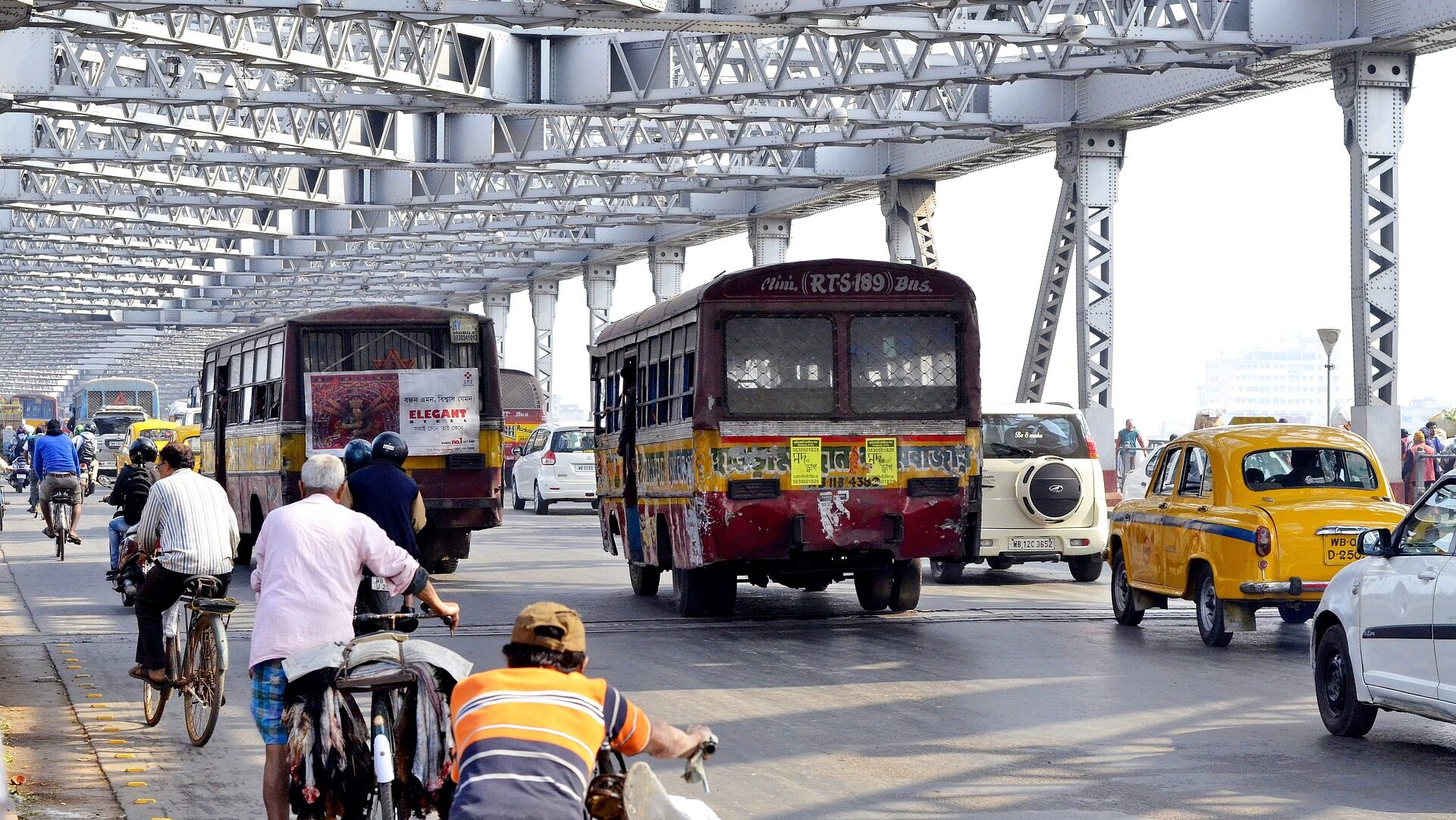
Kolkata tells a different story than the cities ranked above it. While Bengaluru and Pune represent the new India of IT and tech-driven growth, Kolkata represents the old India—a city where Nepali migration is not recent but deeply historical, embedded in the city’s very fabric over generations.
As the capital of West Bengal, India’s most Nepali-populated state (1.15+ million Nepali speakers), Kolkata has hosted Nepali communities for well over a century. Unlike the newly arrived, precariously employed migrants of southern metros, many of Kolkata’s Nepali residents are settled communities—some are descendants of Nepali immigrants who arrived during the British colonial period, others are more recent arrivals who have found stability and community within the city.
The Historical Context
Kolkata’s relationship with Nepal and Nepali-speaking peoples traces to the colonial period. The British recruited Nepali-speaking Gorkhas into their armies and employed them as workers on colonial projects. Many settled in the eastern regions, and Kolkata became a natural destination for Nepali migrants seeking urban opportunities. By the time India gained independence in 1947, Nepali communities were already well-established in Kolkata—owning small businesses, working in domestic service, and participating in the city’s cultural life.
The Contemporary Scene
Today, Kolkata’s estimated 40,000 to 60,000 Nepali residents form a more established community than in southern metros. While the majority still work in domestic service—a trend visible across all Indian cities—a meaningful minority have achieved greater economic stability. Small Nepali businesses operate throughout Kolkata: restaurants, tailoring shops, small trading firms, and labor contractors who recruit other Nepali workers.
Kolkata also hosts the most developed Nepali civil society organizations in India. Groups like MINA (a Nepali migrant workers’ organization) work out of Kolkata, documenting issues faced by Nepali domestic workers and advocating for labor rights. This institutional presence reflects Kolkata’s character as a city with established, organized Nepali communities rather than just loose aggregates of individual workers.
The Domestic Worker Crisis
A landmark study by the Centre for Education and Social Change (2019) focusing on Nepalese women domestic workers in Delhi, but with findings applicable across Indian cities including Kolkata, documented the shocking conditions faced by Nepali women. The study found that:
Nepali women domestic workers earn significantly less than Indian counterparts
They work longer hours with no formal contracts
They lack access to healthcare, education for their children, and legal protections
They often experience wage theft and physical abuse
Their undocumented status makes them vulnerable to trafficking and sexual exploitation
While these dynamics affect Nepali workers everywhere, Kolkata’s longer history of Nepali settlement has also produced more robust support networks and advocacy organizations to address these issues—though these remain vastly under-resourced relative to the scale of the problem.
Why Kolkata Ranks Below Mumbai and Delhi
Kolkata has lower absolute numbers of Nepali residents than India’s largest metros, despite being the capital of the most Nepali-populated state. This apparent paradox reflects two trends: first, rural to urban migration within West Bengal has slowed, as the state’s economy has stagnated relative to other Indian regions; second, younger Nepali migrants increasingly bypass Kolkata for higher-wage opportunities in southern metros or the gulf states. Nevertheless, Kolkata remains deeply significant for its role in Nepali civil society and advocacy.
6 – ASSAM TEA BELT: THE LARGEST SECTORAL CONCENTRATION
Estimated Nepali Population: 80,000–120,000 across multiple districts | Sectors: Tea Estate Labor (Primary)
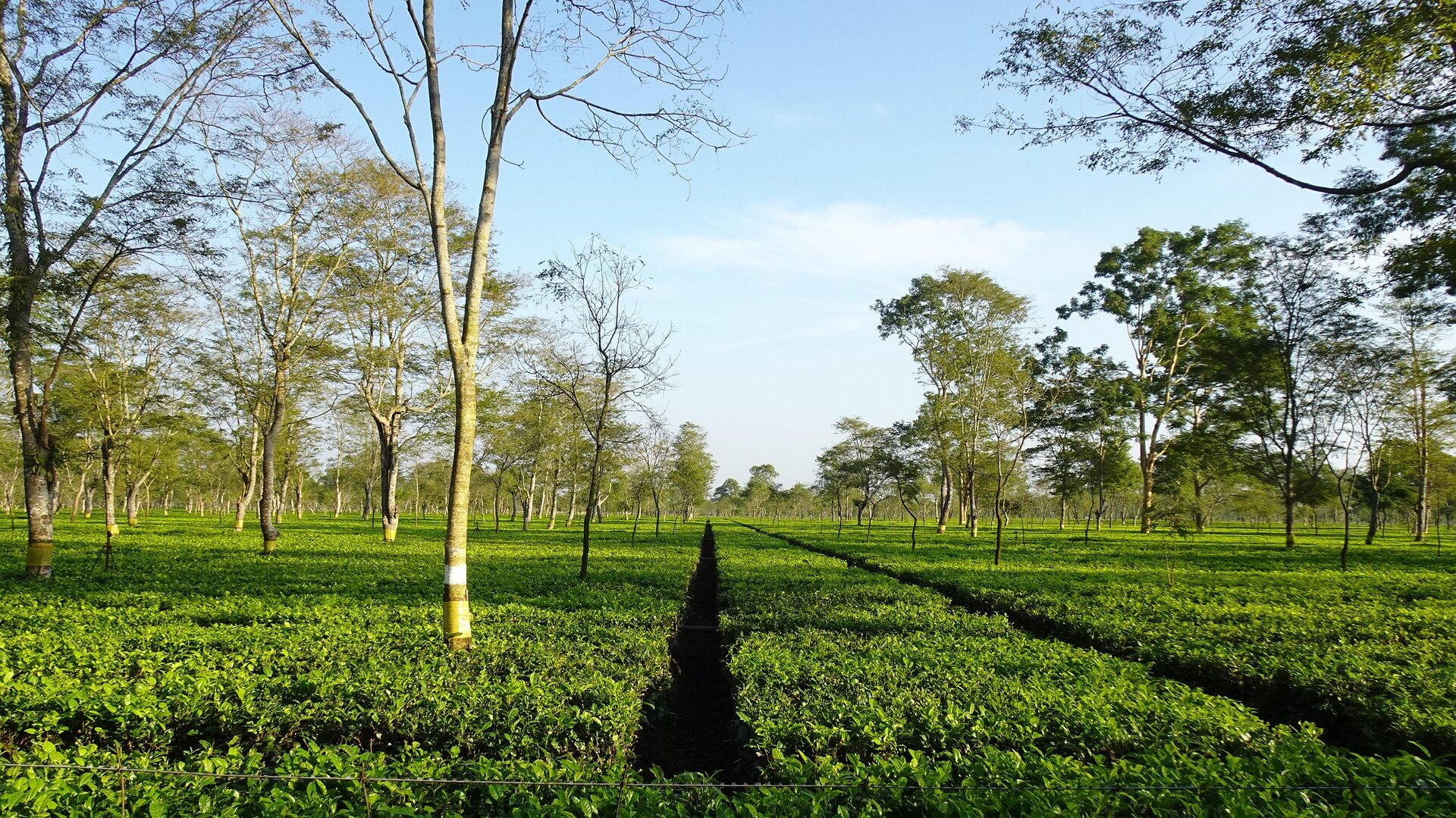
Key Districts: Tinsukia (~50+ tea estates), Dibrugarh (~177 tea estates), Sonitpur (~70+ tea estates), and surrounding regions
If the previous five entries represented cities, the number six entry represents something different: an entire economic sector spanning multiple districts and towns. The Assam tea estates represent the single largest sectoral concentration of Nepali migrants in India, and arguably the most exploitative.
Across Assam’s upper districts, an estimated 80,000 to 120,000 Nepali workers labor in what is one of India’s most volatile and economically unequal sectors: tea production. These are not workers who happened to find employment in tea; rather, tea estates are where Nepali migration to India began, and where the historical patterns of exploitation most clearly persist.
The Long History: 150+ Years of Nepali Tea Labor
The story of Nepali workers in Assam’s tea estates begins in the 1860s and 1870s, when the British colonial government needed laborers to develop the tea plantations of northeast India. Scottish and British tea planters, initially relying on Indian workers who resisted the harsh conditions, turned to Nepali-speaking peoples from the hills. Through a combination of recruitment (sometimes voluntary, sometimes coercive), Nepali men and women were brought to Assam in large numbers.
What began as a colonial labor scheme has persisted, largely unchanged in its fundamental structure, for 150 years. Today’s Nepali tea workers—most of whom have no family connection to the original migrants—continue to work under conditions strikingly similar to those of their ancestors: low wages, unsafe working environments, company-store debt bondage systems, lack of education and healthcare access, and minimal bargaining power.
The Contemporary Nepali Tea Worker
A typical Nepali tea estate worker in Assam earns between ₹150-250 per day (roughly $1.80-3 USD) for 8-10 hours of labor. A family working together might earn ₹500-700 daily, which translates to roughly ₹15,000-21,000 monthly (approximately $180-250 USD). For context, India’s official minimum wage varies by state but is generally ₹178-385 per day. Assam tea workers earn at the absolute bottom of this range—often below it when unpaid days and exploitative deductions are factored in.
The work itself—harvesting tea leaves in humid, hot conditions; chemical exposure from pesticides; injuries from machinery—carries significant health risks. Studies have documented high rates of respiratory disease, skin infections, and malnutrition among tea estate workers. Women workers, the majority of whom are Nepali, face additional hazards including sexual harassment and reproductive health issues exacerbated by lack of medical care.
The Debt Trap
A insidious mechanism perpetuates Nepali workers’ poverty in tea estates: company store debt bondage. Many estates require workers to purchase food, clothes, and other necessities from company-run shops where prices are inflated. Workers run up debt, which they are then required to work off before they can leave. This system—which echoes the indentured servitude of previous centuries—effectively traps workers on the estates for years or even decades, unable to earn enough to escape.
Why Nepali Workers Don’t Leave
Given these conditions, a natural question arises: why do Nepali workers remain in tea estates? The answer reveals the structural desperation driving Nepali migration. Alternatives are worse. In Nepal, rural unemployment runs at 24 percent for young people, and agricultural income cannot support growing families. Even at poverty wages, Indian employment is better than no employment at all. Furthermore, tea estates have become social centers for Nepali communities in Assam—there are Nepali schools, Nepali-language institutions, and social networks that make it difficult to leave even for those who could.
Additionally, many workers lack the educational qualifications, language skills, or connections to transition to better employment. Once locked into tea estate labor, the prospects for upward mobility are minimal.
The Invisible Statistics
Tea estates maintain their own internal records of workers, but these are rarely made public. Official government data on sectoral employment of Nepali workers is sparse. The result is that Assam’s tea sector represents the largest concentration of documented Nepali workers, yet these workers are perhaps the most systematically invisible—their voices rarely heard, their conditions rarely documented, their stories rarely told in national media.
For a news professional investigating Nepali labor in India, the tea belt represents the most important story: the longest history, the worst conditions, and the most systemic exploitation.
5 – DELHI: THE CAPITAL’S PRECARIOUS MILLIONS
Estimated Nepali Population: 100,000–150,000 | Sectors: Construction, Domestic Work, Security, Logistics, Informal Services
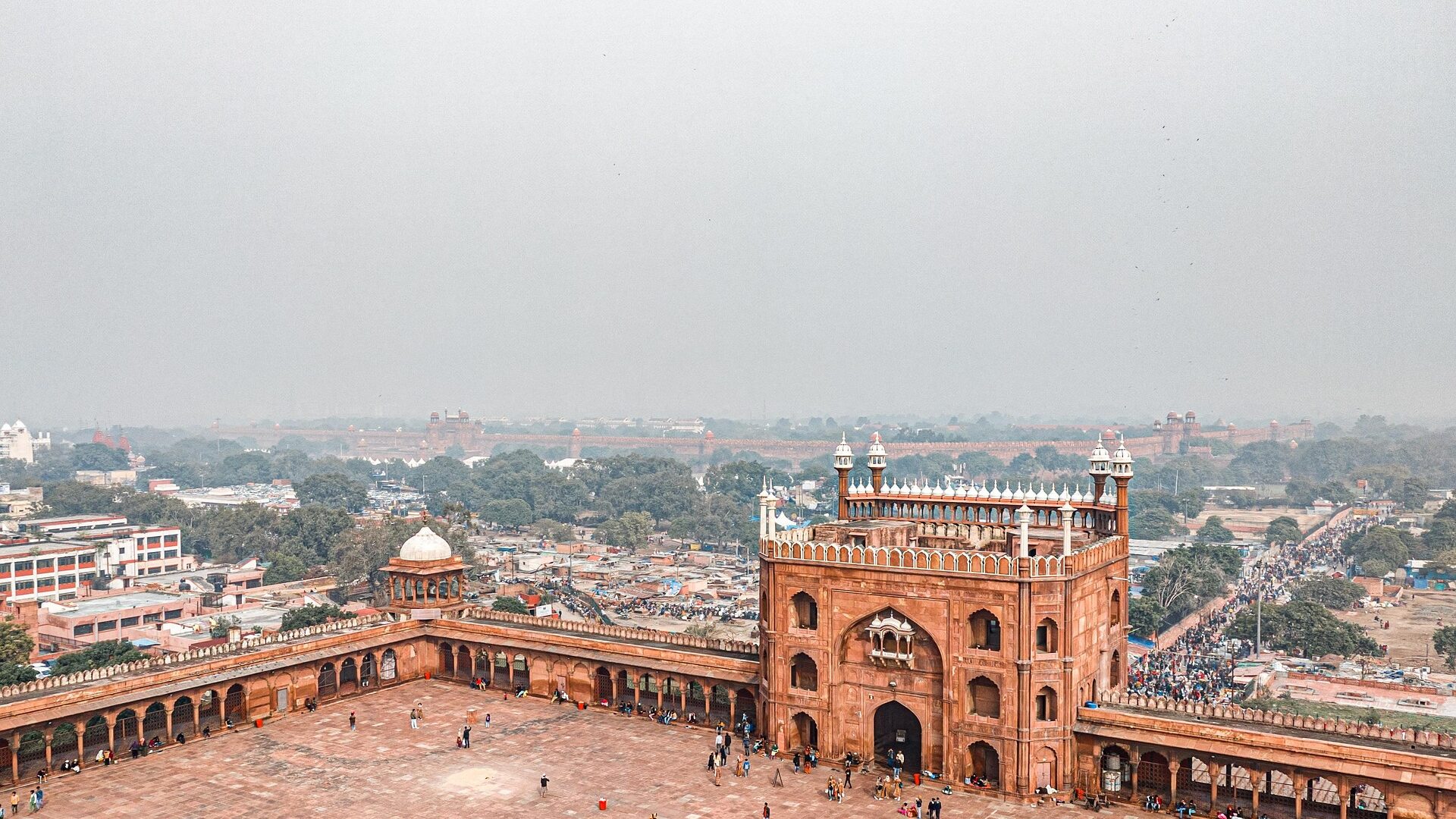
Delhi, India’s National Capital Territory, represents a microcosm of all Nepali migration patterns. In one sprawling metropolitan area (Delhi-NCR extends across three states), you find construction workers, domestic helpers, security guards, delivery personnel, hotel staff, and students—essentially every category of Nepali migrant working in India, concentrated in one place.
The estimated 100,000 to 150,000 Nepali residents in Delhi reflect the city’s status as India’s primary destination for unskilled and semi-skilled labor. Unlike metros like Mumbai or Bengaluru, which have developed more specialized job markets (finance, IT, services), Delhi’s economy runs substantially on construction and informal service sector work—precisely where Nepali migrants concentrate.
Construction: The Largest Employer of Nepali Males in Delhi
Walk through any major construction site in Delhi—the endless metro expansion projects, new residential towers, infrastructure work—and you will see predominantly Nepali workers. These are not skilled construction workers; they are unskilled laborers earning ₹300-400 daily ($3.60-4.80 USD), working 10-12 hour days, often on informal contracts with minimal safety provisions.
According to estimates by labor rights organizations, construction accounts for approximately 40 percent of Nepali male employment in Delhi. These workers are recruited by labor contractors (many of whom are themselves Nepali, profiting from their co-nationals), transported to sites in buses, and assigned to the most dangerous, physically demanding work: concrete mixing, carrying materials, demolition, and site clearing.
Nepali construction workers suffer disproportionately from workplace injuries and occupational diseases. Heat exhaustion, dehydration, broken bones, and back injuries are common. Most work without proper safety equipment (helmets, gloves) because contractors prioritize speed and cost over safety. Medical care, when accidents occur, is often delayed or not provided at all.
Domestic Work and the “Nepali Question” in Middle-Class Delhi
If construction is the largest sector for males, domestic work is the largest sector for females. Thousands of Nepali women work as full-time live-in domestic helpers for Delhi’s middle-class and upper-middle-class families, as well as serving as part-time cleaners and cooks.
The “Nepali domestic worker” has become almost a default category in Delhi—many middle-class families specifically request Nepali workers, viewing them as more “obedient,” less likely to cause “trouble,” and willing to accept lower wages and longer hours than Indian domestic workers. This preference, while sometimes framed paternalistically as cultural affinity, actually reflects and reinforces the exploitation: employers can pay Nepali workers 20-40 percent less than Indian counterparts.
A typical live-in domestic worker in Delhi—often a young woman aged 18-30—earns ₹8,000-12,000 monthly for a 14-16 hour day, seven days a week. She lives in a servant’s quarter (often a small room without windows), has limited contact with her family in Nepal, and is isolated from her community by the conditions of live-in employment. Many face verbal abuse, some face sexual harassment, and a few suffer worse.
The economic calculation for employers is brutal: by hiring a Nepali woman at ₹10,000 monthly, a Delhi family saves ₹3,000-4,000 compared to hiring an Indian woman. Across thousands of households, this adds up to substantial savings for the middle class, subsidized by the exploitation of Nepali labor.
Security Guards: The Pervasive Nepali Face
One cannot walk through a Delhi apartment complex, office building, or shopping mall without seeing Nepali security guards—men in uniforms standing watch 12-hour shifts, often for ₹10,000-15,000 monthly. The security guard job represents a middle position between construction labor and domestic work: slightly more stable, somewhat better paid, but still precarious and low-status.
Nepali men dominate the security industry in Delhi for reasons similar to domestic work: they are perceived as “reliable,” willing to work for lower wages, and less likely to unionize or demand better conditions. A major security company in Delhi will employ hundreds of Nepali guards, recruited through contractors and cascading networks of intermediaries.
The Hidden Cost: Remittances and Economic Dependency
What makes Delhi’s Nepali population significant is not just its size but its economic function. Estimates suggest that Nepali migrants in Delhi send home ₹1,500-2,500 crores annually in remittances (approximately $180-300 million USD). These remittances sustain rural Nepal—paying for children’s schooling, healthcare, house construction, and small agricultural investments.
This dependency has profound implications. First, it traps Nepal’s economy in a state of remittance dependency, where real economic development is forestalled by the sufficiency of migrant wages. Second, it creates enormous pressure on young Nepali people—particularly the unemployed and those from poor families—to migrate. A young Nepali person choosing not to migrate is, in some sense, choosing to leave their family in poverty.
The Political Dimensions
Delhi, being the national capital, is also where Nepali political organizations, advocacy groups, and diaspora networks are most developed. Groups working on migrant rights, NGOs documenting labor exploitation, and Nepali community organizations operate largely out of Delhi. Ironically, Delhi is simultaneously the city where Nepali workers face the most visible exploitation and the place where the most systematic efforts to document and advocate for their rights occur.
4 – SILIGURI: THE COMMERCIAL CAPITAL AND GATEWAY
Estimated Nepali Population: 150,000–200,000 (30-39% of city) | Sectors: Commerce, Business, Hospitality, Logistics, Administration
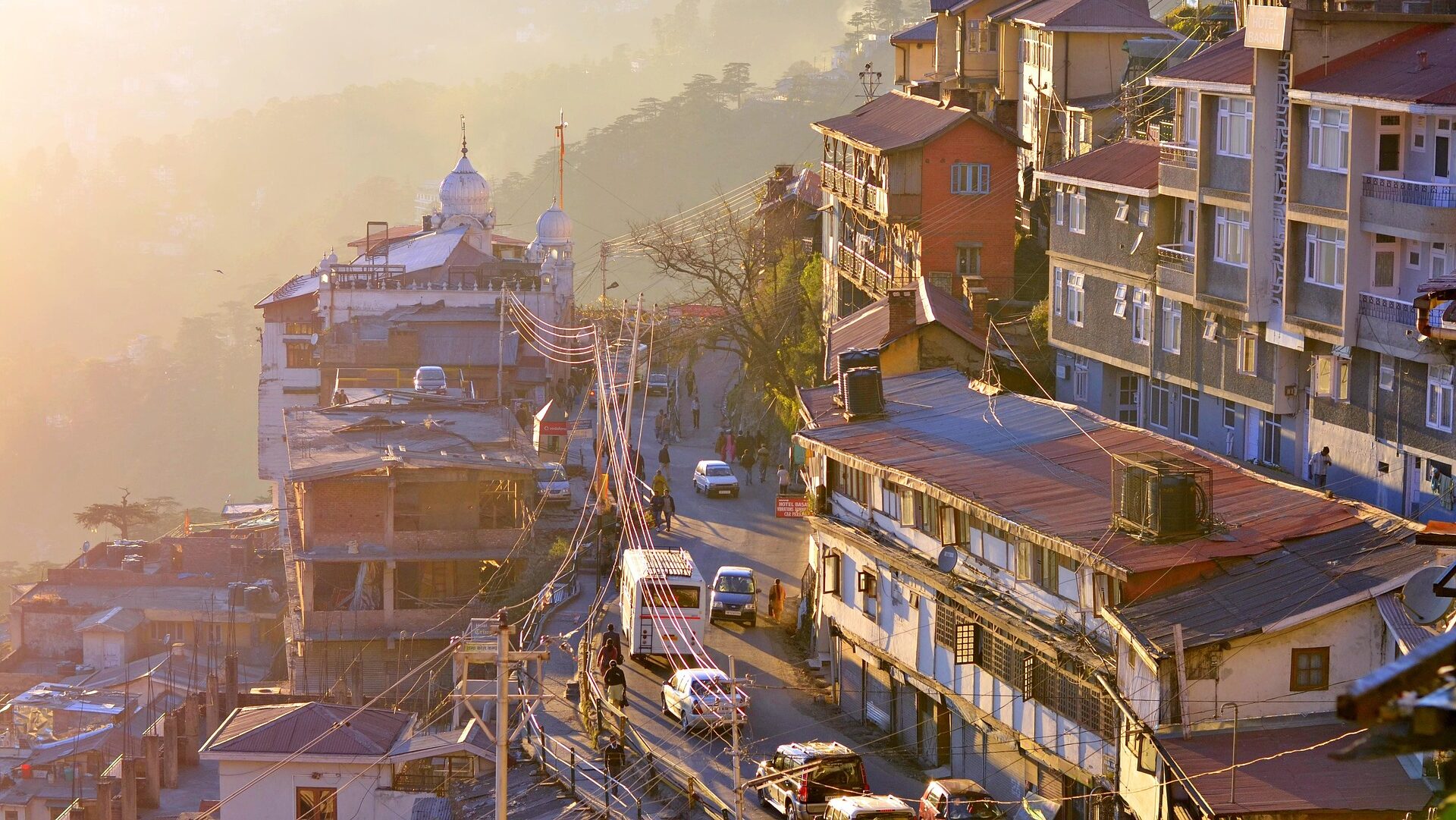
Siliguri, located in West Bengal at the tri-junction of Nepal, Bhutan, and India, occupies a unique position in the Nepali diaspora geography. Unlike the cities ranked above it, where Nepali migrants predominantly fill service and labor roles, Siliguri is uniquely a Nepali-dominated commercial and administrative center.
The estimated 150,000 to 200,000 Nepali residents represent approximately 30-39 percent of Siliguri’s total population—a higher proportion than any other major Indian city except for Gangtok. More importantly, Siliguri’s Nepali population is not marginal to the city’s economy; it is central to it.
The Gateway Function: Geography as Destiny
Siliguri’s significance derives from its geography. The city sits at the junction of three borders, creating a natural commercial and logistical hub for the entire region. Goods flow from Nepal into India and onward to Bangladesh, Bhutan, and the broader northeast. Nepali traders, merchants, and small business owners have built commercial networks spanning these regions.
Walk through Siliguri’s main bazaar and you see predominantly Nepali and Lepcha shopkeepers, business owners, traders, and administrators. Siliguri’s economy runs on Nepali commercial networks in ways that metros’ economies do not. A Nepali entrepreneur in Siliguri might own a trading firm, a small hotel, a transportation company, or be involved in border commerce. This is economically different from a Nepali person in Delhi who must work as a construction laborer.
The Established Community
Unlike the newer, more precarious communities in southern metros, Siliguri’s Nepali population is well-established and historically rooted. Many Nepali families in Siliguri have lived in the city for generations. They own property, have businesses, send children to schools, and are integrated into civic life. While economic inequality certainly exists within the Nepali community—some are wealthy traders while others work as domestic helpers—there is an institutional density and civil society presence that distinguishes Siliguri from other Indian cities with Nepali populations.
Siliguri hosts Nepali newspapers, Nepali-language educational institutions (including colleges), Nepali cultural organizations, and business associations. The city’s administrative structure includes Nepali-language services, recognizing the linguistic reality of the population.
The Darjeeling-Siliguri Corridor
Siliguri cannot be understood in isolation from Darjeeling, the hill station city located just 50 kilometers away. The Darjeeling-Siliguri corridor represents the cultural and economic heart of the Nepali diaspora in India. Siliguri functions as the commercial base and logistics hub, while Darjeeling—smaller, older, more culturally significant—represents the historic settlement. Together, they form an integrated Nepali-language region within India.
Why Siliguri Ranks #4 Rather Than Higher
Siliguri ranks fourth rather than second or third despite its Nepali dominance because, in absolute numbers, it hosts fewer Nepali residents than both Mumbai and Delhi. Additionally, Siliguri is a medium-sized city (population ~500,000) with limited global economic reach compared to India’s mega-metros. However, in terms of proportion, cultural significance, and autonomy, Siliguri represents the most important Nepali urban center in India.
The Political Angle: Gorkhaland and Autonomy
Siliguri and Darjeeling are also central to the Gorkhaland movement—the decades-old political movement for a separate state carved out of West Bengal, to be called Gorkhaland, with Darjeeling as capital. This movement, which has episodically erupted into violence and brought the region to a near-standstill through general strikes, represents the desire of Nepali-speaking communities to have political autonomy and self-governance within India.
The Gorkhaland issue is deeply contentious, divisive, and largely outside the scope of this article. But it is important to understand that Nepali residents of Siliguri and Darjeeling do not simply accept their subordinate status within West Bengal. There is a strong political current—particularly among educated, younger Nepalis—pushing for greater recognition, autonomy, and self-determination. This makes the region uniquely politically volatile compared to the more depoliticized Nepali populations in metros like Delhi or Bengaluru.
3 – DEHRADUN: THE STRATEGIC HILL STATION
Estimated Nepali Population: 100,000–150,000 | Sectors: Hospitality, Security, Administration, Military, Education
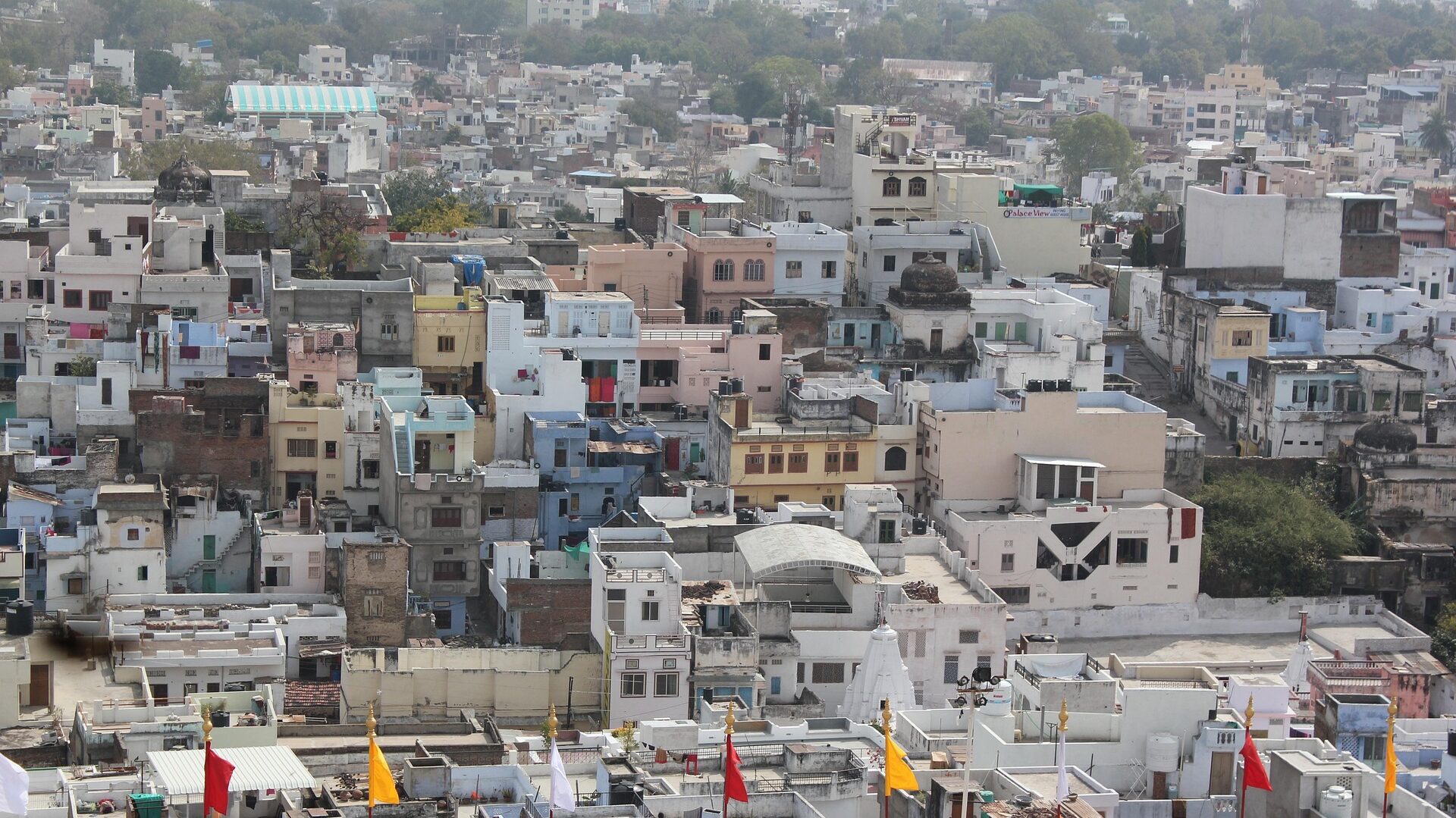
Dehradun, the capital of Uttarakhand in northern India, occupies strategic importance for Nepali migrants due to its proximity to Nepal (just 150 kilometers from the border) and its role as an administrative, educational, and military center.
The estimated 100,000 to 150,000 Nepali residents in Dehradun includes diverse occupational and social categories: migrant workers in hospitality and security, military personnel (particularly Gorkha soldiers), students attending Uttarakhand universities, and longer-term settlers working in administration and small business.
The Proximity Factor: Gateway to Nepal
Dehradun’s location makes it a natural transitional space for newly arrived Nepali migrants. A young person departing Nepal might first reach Dehradun, establish themselves there, and then migrate onward to Delhi or other metros. Alternatively, Dehradun serves as a destination for workers seeking employment relatively close to home—minimizing the distance from family and reducing the shock of severe geographical displacement.
This proximity also attracts a different migrant profile than metros. Rather than the deeply impoverished rural migrants of Assam tea estates or Delhi construction sites, Dehradun attracts a slightly more educated, slightly more resourced Nepali population. The city’s strong educational institutions—numerous colleges and universities—make it attractive to Nepali students.
The Military Dimension: Gorkha Soldiers
A significant portion of Dehradun’s Nepali population consists of military personnel and their families. The Indian Army has long relied on Gorkha recruitment (estimated 25,000-40,000 active Gorkha soldiers), and Dehradun, as a major military command center, hosts numerous military installations with substantial Gorkha populations.
Unlike migrant laborers, Gorkha soldiers occupy a distinct position in Indian society. They are citizens (not foreign migrants), benefit from military salaries and pensions, have access to military healthcare and housing, and enjoy higher status than other Nepali migrants. However, they are also subject to military discipline and the inherent stresses of military service, including combat deployment, PTSD, and occupational hazards.
The integration of Gorkha soldiers into the Indian military—a legacy of the colonial period and continued after independence—represents a complex relationship between Nepal and India. Many Gorkha soldiers, despite decades of service to India, face complex questions about citizenship, identity, and belonging.
Tourism and Hospitality: A Growth Sector
Dehradun’s emergence as a tourist destination—both as a base for Himalayan trekking and as a pilgrimage hub for religious tourism—has created demand for hospitality workers. Nepali migrants dominate the hotel, restaurant, and guest house sectors. These jobs, while precarious, typically offer better conditions than agricultural labor in Assam or construction in Delhi—they often include food and accommodation, and are generally less dangerous physically.
Strategic Significance for News Coverage
Dehradun is significant for news professionals because it represents a middle path in the Nepali migration spectrum—neither the extreme exploitation of tea estates nor the anonymous precariousness of mega-metro service workers. The city’s proximity to Nepal, its substantial military presence, and its educational role make it a center for exploring more nuanced aspects of Nepali-Indian relations.
2 – MUMBAI: THE MEGA-METRO’S INVISIBLE WORKFORCE
Estimated Nepali Population: 150,000–200,000 | Sectors: Domestic Work, Construction, Hospitality, Logistics, Informal Services

Mumbai, India’s financial capital and largest metropolitan area (population 20+ million), attracts migrants from every corner of India and beyond. Yet despite hosting one of the largest absolute populations of Nepali migrants, the city remains almost entirely unaware of Nepali presence. This invisibility is the defining characteristic of Nepali experience in Mumbai.
The estimated 150,000 to 200,000 Nepali residents in Mumbai represent only 0.4-0.6 percent of the city’s total population—a tiny fraction that belies their economic significance.
The Nature of Nepali Work in Mumbai: The Bottom Rung
Unlike Siliguri, where Nepali residents own businesses and occupy administrative roles, Nepali migrants in Mumbai work almost exclusively in low-wage service and labor sectors. The concentration is stark: domestic work, construction, security, hospitality, and logistics dominate.
A significant proportion of Mumbai’s Nepali women work as domestic helpers for the city’s affluent residents—the bankers, corporate executives, and wealthy business owners who have created unprecedented wealth concentration in Mumbai. These domestic workers earn ₹10,000-15,000 monthly (approximately $120-180 USD) for work that is poorly regulated, rarely monitored, and susceptible to abuse.
Nepali men in Mumbai work in construction (building Mumbai’s endless new apartment towers and commercial spaces), as security guards, as kitchen workers in hotels and restaurants, as warehouse and logistics workers, and as day laborers. The construction sector in Mumbai is particularly dominated by migrant labor—Nepali workers alongside workers from Bihar, Odisha, and other poor Indian states—creating an enormous reservoir of cheap labor for Mumbai’s real estate boom.
The Dispersal Problem
What distinguishes Mumbai from cities with organized Nepali communities is dispersal. In Darjeeling or Siliguri, Nepali residents form concentrated geographic and social communities. In Mumbai, Nepali migrants are scattered across the sprawling metropolis—a domestic worker in south Mumbai living with her employer, a construction worker in a slum in the eastern suburbs, a security guard in a northern enclave. This dispersal makes collective organization, advocacy, and even simple social contact across the community extremely difficult.
This dispersal also means that Nepali migrants in Mumbai have virtually no political voice. There are few Nepali civil society organizations, few advocacy groups, minimal government-supported services for migrant communities. A Nepali woman facing abuse by an employer has few resources to turn to within the community; she must navigate Indian NGOs designed for generic migrant workers or Indian domestic workers, which may not understand her specific language, cultural, or legal vulnerabilities.
The Scale of Exploitation
A landmark study by the Centre for Education and Social Change documented the systematic exploitation of Nepalese women domestic workers. The findings, though focused on Delhi, are applicable across all major Indian cities including Mumbai:
Nepali women domestic workers earn 20-40% less than Indian counterparts
Work 12-16 hour days with no days off
Have no written contracts or formal employment agreements
Lack access to healthcare, education for children, and social services
Face high rates of physical and sexual abuse, with minimal recourse
Often live in conditions described as “slave-like”—confined to employer premises, monitored, prohibited from leaving
The study noted that the proportion of Nepali women in domestic work in Indian metros is increasing—a trend it attributed partly to employer preference (viewing Nepali workers as more docile) and partly to Indian women’s increasing refusal to accept domestic work conditions.
Mumbai’s enormous scale and complete anonymity make it a particularly harsh environment for exploited workers. A trafficking victim brought to Mumbai has no community to turn to, no Nepali-language institutions that could help, and the vast city’s indifference compounds her isolation.
Why Mumbai Ranks #2 Rather Than #1
Mumbai hosts fewer Nepali residents than either Delhi or Gangtok. Additionally, in Mumbai’s status hierarchy, Nepali migrants are more marginal—they are one minority group among dozens in a cosmopolitan mega-city. In Delhi, Nepali workers are significant enough to be discussable; in Mumbai, they barely register. Mumbai’s claim to #2 position derives from its absolute numbers rather than its significance in the Nepali diaspora geography.
1 – GANGTOK: THE NEPALI MAJORITY CITY AND CAPITAL OF THE DIASPORA
Estimated Nepali Population: 62,000+ (62%+ of city population) | Sectors: Administration, Services, Business, Education, Culture

Gangtok, the capital of Sikkim state in northeast India, is unique among all cities in India: it is a city where Nepali speakers are the demographic majority, and Nepali is an official administrative language. This fundamentally distinguishes Gangtok from every other city on this list.
The 2011 census recorded Gangtok’s population at approximately 98,658, with Nepali comprising 62% of the population—translating to roughly 62,000 Nepali speakers. But the category “Nepali speakers” includes both Nepali citizens and Indian citizens of Nepali linguistic background. Estimates suggest that approximately 20,000-30,000 of Gangtok’s Nepali population are Nepali citizens (migrants), while the remainder are Indian citizens, many descended from earlier migration waves.
The Sikkim Exception: A Different Reality
Sikkim is fundamentally different from the rest of India in how it relates to Nepali language and culture. The state’s 2011 census showed:
Nepali speakers: 382,200+ (62.6% of total Sikkim population)
Sikkimese/Lepcha speakers: 115,000+ (18.8%)
Limbu speakers: 63,000+ (10.3%)
These proportions make Sikkim uniquely Nepali-dominated in institutional terms. The state government conducts business in Nepali, Nepali is taught in schools, Nepali newspapers and media are the dominant media, and Nepali cultural events are statewide occasions.
Gangtok: The Cultural Capital of the Nepali Diaspora in India
If Siliguri is the commercial heart of the Nepali diaspora, Gangtok is its cultural and political heart. The city hosts:
Nepali-language universities and colleges (Sikkim University offers programs in Nepali literature)
Nepali media and publishing (newspapers, radio stations, publishing houses)
Nepali cultural institutions (museums, cultural organizations, archives)
Religious institutions (Buddhist monasteries, Hindu temples frequented by Nepali communities)
Literary and academic institutions focused on Nepali language and culture
Gangtok’s identity as a Nepali city creates a fundamentally different experience for Nepali residents compared to other Indian cities. A Nepali person can work entirely in Nepali, send children to Nepali-language schools, consume media in Nepali, and participate in Nepali cultural life without requiring Hindi or English proficiency (though bilingualism is common).
This contrasts sharply with Nepali migrants in Mumbai or Delhi, who must operate in Hindi or English, who cannot educate their children in Nepali, and who exist in a state of linguistic and cultural alienation.
The Sikkim Political Context: A Cautionary Note
Gangtok’s prominence as a Nepali city is also shaped by complex state politics. Sikkim has historically experienced significant political tensions related to ethnic identity, with the dominant Sikkim Krantikari Morcha political party advocating for Sikkimese (not Nepali) primacy. While Nepali speakers remain demographically dominant, there are periodic tensions about language policy, cultural representation, and political power-sharing.
These political dimensions mean that even in Gangtok—the most favorable location for Nepali culture in India—Nepali residents cannot assume their cultural position is secure or uncontested. Education policy, administrative language choices, and cultural representation remain politically contested.
Why Gangtok Ranks #1 Despite Having Fewer Residents Than Mumbai or Delhi
Gangtok ranks first not because of absolute numbers (Mumbai and Delhi each have more Nepali residents), but because of cultural and political significance. Gangtok is the only Indian city where Nepali is not a minority language but a majority language; the only city where Nepali culture is institutionally supported; the only city where Nepali migrants experience something approaching equal status with other ethnic groups.
In every other city on this list, Nepali residents are at best tolerated, at worst systematically exploited. In Gangtok, they are central to the city and state. This represents a fundamentally different relationship to India and to Indian identity.
The Future Question
Gangtok’s growth has been dramatic: the city’s population grew 150%+ between 2001 and 2011. Much of this growth comes from Nepali migrants drawn to the city’s perceived greater openness and opportunity. However, this rapid growth is also straining resources, creating housing pressures, and potentially accelerating political tensions about Nepali dominance.
The question facing Gangtok is whether it can sustain its role as a Nepali-centered city amid rapid modernization, Indian national integration, and political pressure from Hindu nationalist movements (which tend to assert Hindi/Sanskritic culture over regional/minority languages).
conclusion
Every rupee that flows back from India to Nepal carries a story of sacrifice—a mother who hasn’t seen her son in three years, a child growing up remembering their father only from photographs, a wife managing a farm alone while her husband breaks concrete in Delhi’s dust for wages that barely feed them both. The remittances that sustain Nepal’s economy are not abstract numbers on a spreadsheet; they are the literal price of family separation, paid daily by one million Nepali souls scattered across Indian cities, waiting for the day they can return home—though returning home often means starting the cycle again because nothing has changed in the villages they left behind
wow